Bunny Holding Carrot Applique Embroidery Review
As an embroidery designer who spends a significant portion of my week digitizing, testing, and troubleshooting designs for clients, I am always on the lookout for files that offer both aesthetic charm and technical reliability. When browsing Creative Fabrica embroidery collections, I often find a mix of complex masterpieces and simple decorative elements. Recently, I came across the Bunny Holding Carrot Applique Embroidery file and decided to evaluate it not just as a standalone design, but as a potential component in real-world commercial projects.
This review is written from the perspective of a professional looking to integrate this asset into handmade product lines, specifically targeting the spring and Easter seasons. My goal is to determine if this machine embroidery design holds up under the scrutiny of production-ready workflows.
First Impressions: Visual Mood and Design Personality
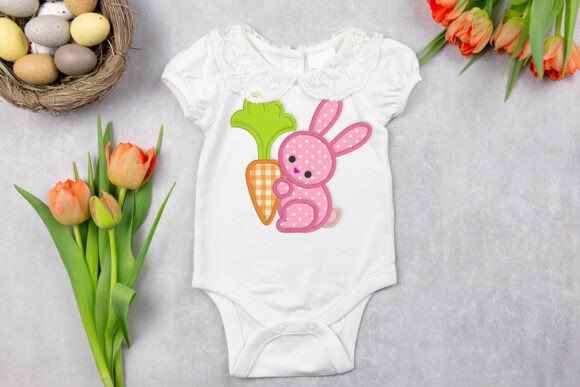
The moment you load the embroidery file, the playful nature of the design becomes apparent. The concept is straightforward: a little bunny holding a large carrot, rendered in a cheerful applique style. For designers working with children’s clothing or seasonal decor, this immediate visual clarity is a major advantage. It doesn’t rely on subtle shading or intricate tonal variations; instead, it uses bold shapes and clear outlines to communicate its theme.
The "aplique" aspect of the description suggests that this design likely utilizes fabric pieces cut to shape rather than relying solely on thread coverage. This is a crucial distinction. In my experience, applique designs can add a premium tactile quality to a handmade product, elevating it above standard embroidered patches. The bunny’s posture appears relaxed and cute, which translates well to items like baby blankets, nursery wall art, or toddler t-shirts. The large carrot serves as a strong focal point, providing a natural area for color contrast against the bunny’s fur.
Performance in Real Embroidery Work
I evaluated how this digital embroidery file might perform across various common product categories. Here is what I found based on typical industry standards for similar applique styles.
Apparel and Soft Goods
This design is particularly suited for custom apparel. I envision it working beautifully on:
- Tote bag design applications: A canvas tote with this applique adds a festive touch perfect for spring markets or Easter egg hunts.
- Sweatshirt embroidery: On light-colored hoodies, the contrast between the fabric base and the applique threads can create a cozy, boutique-level finish.
- Kids clothing: The playful subject matter aligns perfectly with the target demographic for spring fashion.
However, when considering stretchy fabrics like jersey knits for t-shirts, one must be cautious. Applique designs often have a larger footprint than standard monograms. If the underlying fabric stretches significantly during stitching, it can cause puckering. Using a proper stabilizer is non-negotiable here to maintain the integrity of the finished product.
Home Decor and Gifts
The versatility of this design assets extends beyond wearables. It fits naturally into home decor lines:
- Pillow covers: A square pillow with centered applique looks polished and professional.
- Kitchen towels: While less common for plush applique due to washing durability, a simplified version could work for decorative tea towels.
- Nursery decor: The soft, friendly imagery makes it ideal for crib bumpers (if safe construction allows) or wall hangings.
Practical Considerations for Production
Before committing this file to a production run, there are several technical factors that require careful attention. As a reviewer, I cannot stress enough the importance of testing before selling.
Hoop Size and Stitch Density
One of the first things I check is the hoop size. Large applique designs can quickly consume available hoop space, limiting where you can place the design on a garment. If the design is too wide for a 4x4 hoop, you will need a multi-hoop workflow, which increases production time. Additionally, inspect the stitch density. High-density fill stitches can make the final piece stiff and heavy, especially on delicate baby fabrics. Look for areas where the satin stitch borders might overlap excessively, as this can lead to needle breakage or thread tension issues.
Fabric and Thread Selection
The success of an applique design hinges on material choice. Since this is a aplique design, you will need to source appropriate backing fabrics. Light-colored bunnies may require white or cream backing, while darker themes might use grey or black. Ensure your thread colors provide sufficient contrast against both the applique fabric and the base garment. For example, a yellow carrot on a white bunny might get lost visually unless the outline is distinct.
Also, consider the end-use environment. If the item is a tote bag or a child’s outfit, it will undergo frequent washing. Check the stability of the applique edges. Poorly executed tack-down stitches can fray over time. Always recommend gentle washing cycles to customers to preserve the embroidered patch appearance.
Impact on Product Value and Branding
Using high-quality design assets directly influences buyer trust. A well-executed machine embroidery design signals professionalism. When customers see clean lines, no loose threads, and accurate registration of the applique layers, they perceive higher value. This is especially important for Etsy sellers and small business owners competing in crowded marketplaces.
The Bunny Holding Carrot Applique Embroidery has strong giftability appeal. Seasonal items are often purchased as gifts, and the charming subject matter resonates emotionally with buyers. Furthermore, this design is excellent for creating printable mockups. You can easily visualize this design on various products without physically producing every variation, allowing you to test marketing angles digitally before investing in inventory.
Final Verdict and Recommendations
Overall, the Bunny Holding Carrot Applique Embroidery presents itself as a versatile and charming option for spring-themed collections. Its strength lies in its clear visual narrative and suitability for a wide range of soft goods. However, like any digitized file, its success depends on execution.
To ensure the best results, I recommend the following steps:
- Test on scrap fabric: Always stitch out the design on the exact type of fabric and stabilizer you plan to use in production.
- Check file details: Verify the recommended hoop size and machine compatibility on the Creative Fabrica product page.
- Review licensing: Confirm the terms of use regarding commercial embroidery sales. Ensure you are allowed to sell finished items made with this digital embroidery file.
- Inspect small details: Zoom in on the digital preview to ensure no tiny, fragile stitches exist that might break during the embroidery process.
If you are looking to expand your lineup with festive, high-demand items, this design warrants consideration. Just remember that a great embroidery file is only half the equation; proper technique and material selection complete the picture.