Owl Floral Embroidery Digital Papers Review
As an embroidery designer who spends hours tweaking stitch paths and testing thread combinations, I am always on the lookout for assets that elevate a simple garment into a boutique-worthy piece. Recently, I came across the Owl Floral Embroidery Digital Papers on Creative Fabrica, and it immediately caught my eye. While the product is categorized under Backgrounds and Graphics rather than direct embroidery files, its visual potential for apparel design is significant. In this review, I will explore how these digital assets can serve as inspiration, texture references, or even direct motifs for your next sweatshirt collection, hoodie line, or custom apparel project.
First Impressions: Visual Personality and Mood
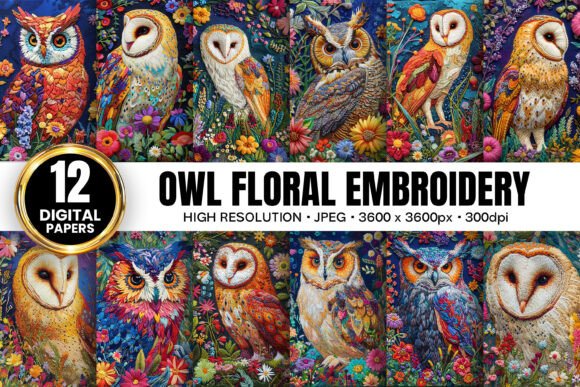
The moment you unzip the file containing 12 high-resolution digital papers, the aesthetic impact is clear. These designs blend organic floral elements with whimsical owl motifs, creating a mood that is both rustic and playful. For a designer planning a seasonal collection, this balance is crucial. The visuals feel premium yet approachable, striking a chord between feminine elegance and cute, casual charm. This versatility makes them suitable for a wide range of target audiences, from young adults looking for trendy streetwear to those seeking cozy, handmade-style gifts.
The detail level in these graphics is impressive. At 300 DPI, the JPG format ensures that every petal curve and feather detail is crisp. This clarity is vital when you are planning to translate a digital image into a physical embroidery design. You can clearly see where the visual weight lies, helping you decide if a motif works better as a dense chest placement or a lighter sleeve accent. The decorative strength of the Owl Floral Embroidery Digital Papers suggests they have the power to transform neutral garments into statement pieces without requiring excessive additional embellishment.
Application in Boutique Apparel Projects
When preparing a small sweatshirt or hoodie collection for an online shop, the application of these designs requires strategic thinking. Here is how I envision these graphics performing across different garment types:
- Sweatshirt Embroidery: On heather grey or cream sweatshirts, the floral patterns provide a soft contrast that feels cozy and inviting. The designs work exceptionally well as all-over prints or large back placements, creating a "loaded" look that is currently popular in lifestyle branding.
- Hoodie Chest Placement: For a more subtle approach, a single owl motif from the collection can be digitized for a left-chest placement. This adds a touch of personality without overwhelming the wearer, perfect for everyday wear or corporate swag.
- T-Shirt Embroidery: On lightweight cotton tees, these designs bring a bohemian flair. The intricate details hold up well against the smooth fabric texture, provided the digitization accounts for the lower density of t-shirt material.
- Denim Jackets and Tote Bags: The ruggedness of denim complements the rustic elements of the owl and floral theme. Similarly, on canvas tote bags, these graphics add a sophisticated touch to what is often a utilitarian item, increasing its perceived value as a handmade product.
Designing for Different Colorways
One of the strengths of using digital backgrounds like Owl Floral Embroidery Digital Papers is the ability to visualize them on various base colors before committing to production. I tested these mentally (and virtually) on several common apparel colors:
- Neutral Sweatshirts: Beige, oatmeal, and light grey allow the colors in the graphic to pop without clashing. This is the safest bet for broad appeal.
- Pastel Hoodies: Soft pinks, lavenders, and mint greens enhance the feminine and cute aspects of the design, making it ideal for spring collections.
- Dark Apparel: Navy, charcoal, and black create a dramatic contrast. However, care must be taken to ensure the thread colors chosen for digitization are bright enough to stand out against the dark background.
- Oversized Garments: These designs fill space beautifully on oversized silhouettes, which are currently trending. The scale of the graphics matches the volume of the clothing, creating a balanced visual proportion.
Practical Considerations for Embroidery Designers
While these are digital images and not direct machine embroidery files, they serve as excellent blueprints. Before moving to the digitizing stage, there are several practical notes to keep in mind. First, always test on scrap fabric. The behavior of the design on fleece may differ significantly from its appearance on woven cotton. Check your stabilizer choice carefully; heavy-duty cut-away stabilizers are recommended for stretchy fabrics like jersey to prevent puckering.
Review thread color contrast meticulously. The vibrant colors in the digital paper must be translated into thread equivalents that offer sufficient contrast against your chosen garment color. If the digital image uses low-contrast shades, you may need to adjust the palette during digitization to ensure visibility. Confirm hoop size limitations early in the process. Large back designs may require multiple hooping steps, which can affect alignment and registration.
Inspect stitch density visually. Dense areas in the original graphic should be mapped to appropriate stitch densities in the software to avoid needle breakage or fabric distortion. Compare placement options by sketching or using mockup software. Does the owl face work better looking forward or to the side? How does the floral border interact with the neckline or hem? These decisions impact the final professional presentation of the finished product.
Where to Use Carefully
Not every part of a garment is suitable for complex graphics. Small chest placements require simplified versions of the design to maintain legibility. Avoid placing dense stitch areas over ribbed fabric or curved surfaces like shoulder seams, as stretching and wrinkling can distort the artwork. Tiny lettering, if included in any derivative designs, should be avoided unless using a high-quality satin stitch font, as it can become illegible after washing. Always consider the stretchiness of the fabric; designs placed over elasticated areas may gap or pull apart.
Impact on Brand Identity and Value
Using high-quality assets like Owl Floral Embroidery Digital Papers directly influences buyer trust and product recognition. Consistent visual quality signals professionalism to customers browsing Etsy listings or social media graphics. When your boutique brand presents cohesive, well-executed designs, customers perceive higher value in the merchandise. This consistency helps in building a loyal customer base that recognizes your style at a glance.
Furthermore, these designs support commercial embroidery opportunities. By creating unique custom apparel items, you differentiate yourself from mass-produced goods. The combination of trendy motifs and high-resolution source files allows for endless variations, keeping your inventory fresh and engaging for your audience. Whether you are selling physical goods or digital downloads, the quality of the source material matters.
Final Thoughts and Next Steps
The Owl Floral Embroidery Digital Papers offer a versatile toolkit for designers looking to add character to their apparel lines. With 12 high-resolution files, you have ample variety to experiment with different layouts and color stories. Remember to check Creative Fabrica product details and licensing agreements before selling finished apparel to ensure compliance. Test your digitized versions thoroughly, compare placement options, and always prioritize the integrity of the fabric and stitch work.
For Etsy sellers, small shop owners, and creative entrepreneurs, these graphics provide a strong foundation for developing a distinct visual identity. They bridge the gap between digital creativity and tangible fashion, allowing you to create printable mockups and real-world products that resonate with your market. By paying attention to detail—from stabilizer selection to thread contrast—you can turn these digital papers into successful, high-value commercial embroidery products.