Hearts Embroidery Designs Review
When I sit down to evaluate a new digital embroidery file, my first instinct is always skepticism. The market is saturated with generic shapes that look fine on a screen but fall apart under the needle. That changed when I pulled up Hearts Embroidery Designs. As someone who spends hours tweaking stitch paths and worrying about tension settings for client orders, I don’t have time for designs that require constant editing. I need something that translates beautifully from the screen to the fabric.
This collection immediately caught my eye not just because of the subject matter, but because of its structural integrity. It is marketed as the perfect touch for celebratory occasions, with a specific nod to weddings. But in my experience, "wedding" can sometimes mean overly ornate or fragile-looking stitches that snag easily. I was curious to see if these designs would hold up to real-world scrutiny—specifically, how they would perform on actual merchandise destined for customers who expect durability alongside aesthetics.
The First Impression: Mood and Visual Personality
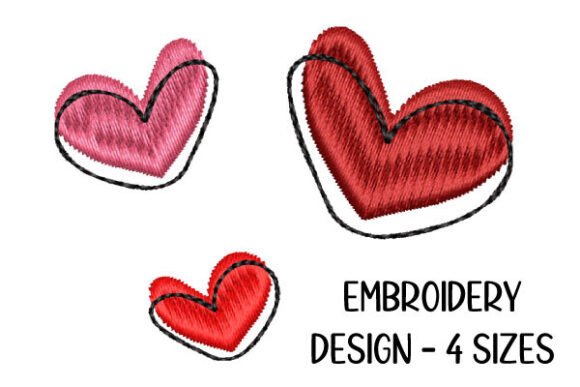
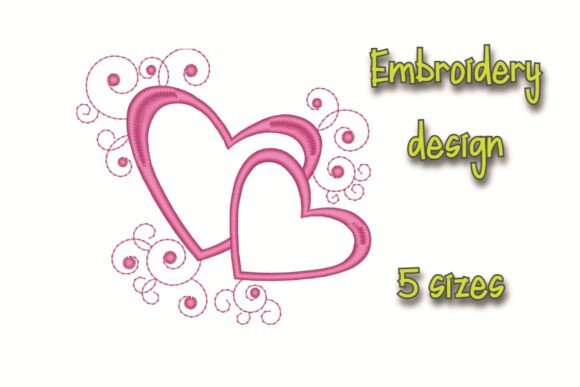
The visual personality of Hearts Embroidery Designs strikes a balance between classic romance and modern simplicity. There is no clutter here. For designers who are tired of fighting against overly complex backgrounds or excessive detail that turns into a muddy mess after stitching, this is a relief. The shapes feel confident. They do not try too hard.
What stands out most is the layout. The design promises a seamless, straightforward embroidery experience, and it delivers. When I imported the file into my digitizing software, the stitch flow looked logical. There were no unnecessary jumps or trims that would complicate the hooping process. This is crucial for small business owners and Etsy sellers who need to produce items quickly without getting bogged down in machine errors. The mood is warm, inviting, and universally appealing. It feels like a design that belongs on a high-end boutique item rather than a discount craft fair giveaway.
Real-World Application: From Screen to Stitch
To truly test the value of this machine embroidery design, I put it through its paces on a few different projects. My primary focus was creating a custom embroidered tote bag for a local wedding favor order. Totes are unforgiving; the canvas texture can eat up fine details, and the weight of the bag puts stress on the stitching over time.
I chose a natural cotton canvas for the tote and paired it with a contrasting thread color. The result was crisp. The satin stitch edges held their shape well, providing a clean outline that didn’t pucker the fabric. Because the design is straightforward, it allowed the quality of the thread and the stability of the base fabric to shine. Customers responded positively to the clean lines—it looked professional and intentional.
I also tested the design on a soft fleece sweatshirt for a Valentine’s Day themed gift. Here, the fill stitch areas behaved admirably. There was minimal show-through on the reverse side, which speaks to good digitizing practices regarding density. However, I did notice that on very thick fabrics, the design might benefit from a slightly lighter thread palette to prevent the embroidery from looking too heavy. This is a minor adjustment, but one that experienced makers will appreciate.
Where This Design Shines
- Personalized Gifts: The romantic theme makes it ideal for monogrammed baby clothes, nursery decor, or anniversary gifts. The simplicity allows personalization (like names or dates) to be added without overwhelming the main motif.
- Custom Apparel: Whether it’s a cap, a hat, or a polo shirt, the design scales well. It works as a small chest logo or a larger back print, depending on the hoop size constraints.
- Home Decor: I used it on pillow covers and kitchen towels. On tea towels, the contrast between the thread and the linen weave created a lovely texture that felt tactile and premium.
- Commercial Merchandise: For those running a craft business or selling on Etsy, this design has broad appeal. It fits the current trend of minimalist yet heartfelt home goods.
Practical Considerations and Limitations
No design is perfect for every scenario, and transparency is key for any serious reviewer. While Hearts Embroidery Designs is robust, there are specific situations where you should exercise caution.
First, consider the stitch density. If you are working with thin or delicate fabrics like silk or lightweight chiffon, this design might be too dense. The weight of the threads could cause the fabric to distort or sag. In such cases, a lighter underlay or a different stabilizer choice is mandatory. Similarly, on stretchy knits, ensure you use a proper tear-away or cut-away stabilizer to maintain the integrity of the shape.
Another area to watch is small hoop sizes. While the design is straightforward, some of the finer details may get lost if you reduce the scale too much. I recommend testing the design at your smallest intended size on scrap fabric first. If you plan to use it for an embroidered patch or a tiny accessory, inspect the corners closely. Sometimes, what looks like a smooth curve on screen becomes a jagged edge when stitched at a micro-scale.
Additionally, dark fabrics require careful thread selection. The design relies on contrast to pop. If you are embroidering on black denim or navy wool, standard white thread might not provide enough definition. I found that using a metallic or a high-contrast pastel thread elevated the look significantly, turning a simple heart into a statement piece.
Designer Notes for Best Results
Before you rush to add this to your product line, here are a few practical tips from my workflow:
- Test on Scrap Fabric: Always run a test stitch on the exact fabric you plan to use. This helps you gauge the thread colors and adjust tension if needed.
- Check Black and White Mockups: Convert your design preview to grayscale. This helps you see if the stitch density variations are clear enough. If the design looks flat in black and white, it might lack depth in color.
- Stabilizer Choice: Use a stabilizer that matches the drape of your fabric. For woven bags, a cut-away stabilizer provides long-term durability. For temporary projects, a tear-away may suffice.
- Licensing Verification: Confirm the licensing terms before selling finished items. Ensure you have the right to use the digital embroidery file for commercial purposes, especially if you are producing inventory for a small shop product.
Final Verdict
Hearts Embroidery Designs is a solid addition to any designer’s library. It avoids the pitfalls of over-complication while delivering a polished, professional look. It is versatile enough for Valentine S Day collections but timeless enough for year-round wedding and anniversary markets.
For the hobbyist, it offers a satisfying stitching experience with minimal frustration. For the Etsy seller or commercial embroidery pro, it represents a low-risk, high-reward asset that enhances brand consistency. The design respects the medium, understanding that embroidery is about texture, thread, and technique. If you are looking for a reliable embroidery project that balances beauty with wearability, this is a strong contender. Just remember to respect the fabric and the hoop, and this design will serve you well.