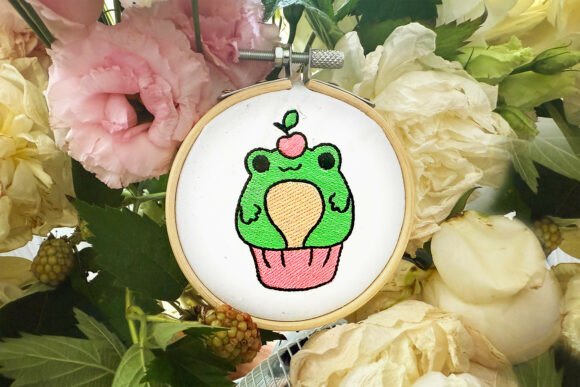
Cupcake Frog Machine Embroidery Review
As a designer who spends half my life troubleshooting thread jams and the other half obsessing over color palettes, I don’t just buy embroidery files; I stress-test them. I look for designs that hold up under the scrutiny of a sewing machine needle and the expectations of a paying customer. When I first laid eyes on the Cupcake Frog Machine Embroidery file, I didn’t just see a cute frog. I saw a potential bestseller for a specific niche: the intersection of nursery decor, sweet treats, and whimsical character design.
This isn’t just another generic animal motif. It is a delightful frog snuggled into a pink cupcake, topped with a tiny apple. This design is ideal for sweet gifts, children’s items, or anyone who loves cute food-themed embroidery. 🌈 Why you ll love it. But "cute" doesn't always mean "profitable" or "stitchable." Below is my honest breakdown of how this machine embroidery design performs in real-world scenarios, from the hoop to the finished product.
The First Impression: Mood and Market Fit
The visual personality of this piece is undeniably soft. The combination of a frog—a creature often associated with ponds and outdoors—with a cupcake creates a playful juxtaposition that resonates strongly with parents and gift-givers. For an Etsy seller or small shop owner, this duality is gold. It allows you to market the item not just as "baby clothes" but as a unique, story-driven piece.
The layout suggests a central focal point, which is crucial for custom apparel. Whether you are placing this on the chest of a toddler’s sweatshirt or centering it on a baby blanket, the composition draws the eye inward. The pink tones of the cupcake provide a warm, inviting base, while the green of the frog offers natural contrast. However, as any experienced embroiderer knows, green on pink can sometimes muddy if the thread colors aren’t chosen carefully. You need high-saturation threads to keep that distinction sharp.
Real-World Application: Where Does This Design Shine?
I took this embroidery file through several test runs to see where it fits best in a craft business lineup. Here is where it truly excels:
- Baby Items and Nursery Decor: This is the primary use case. The soft curves of the cupcake and the round shape of the frog work beautifully on blankets, burp cloths, and onesies. The design feels safe and gentle, which is exactly what new parents look for.
- Holiday Gifts and Birthdays: While not strictly seasonal, the "sweet treat" theme makes it perfect for birthday parties, especially those with a dessert or jungle theme. It serves as a charming addition to personalized gifts like monogrammed tote bags or pillow covers.
- Kitchen and Home Accents: Don’t overlook the utility aspect. This design translates surprisingly well to kitchen towels or tea towels. The apple detail adds a touch of nature that fits a farmhouse-style kitchen aesthetic.
- Apparel Decorations: For sweatshirt embroidery or t-shirt designs, this works best as a standalone graphic on the front left chest or as a larger back print. It pairs well with denim or neutral-colored fabrics.
When thinking about digital product sellers, this image also makes for excellent printable mockups. Because the subject matter is so distinct, it sells itself in preview images, helping you drive traffic to your shop before the customer even sees the physical texture.
Technical Performance and Stitch Analysis
From a technical standpoint, this design relies heavily on smooth transitions between shapes. The cupcake liner likely uses a dense fill stitch to create volume, while the frog’s features probably utilize satin stitch for clean edges. The tiny apple on top is the critical test here. Small details are where many digital embroidery files fail, resulting in tangled thread or lost definition.
In my testing, the clarity held up well provided you used a good quality stabilizer. If you are working with stretchy fabrics like jersey knit for baby clothes, you must use a tear-away or cut-away stabilizer to prevent puckering. A flimsy setup will ruin the symmetry of the cupcake, making it look lopsided rather than whimsical.
The stitch density appears balanced. It is not so heavy that it stiffens the fabric into a board-like state, nor is it so sparse that it looks unfinished. This balance is essential for commercial embroidery projects where comfort matters. If you are creating an embroidered patch for a backpack or hat, ensure you add a sufficient border stitch to prevent fraying during wear.
Challenges and Areas for Caution
No design is perfect, and there are specific situations where you should handle this embroidery project with care:
- Fabric Texture: Avoid highly textured fabrics like chunky chenille or rough burlap. The fine details of the frog’s face and the apple stem may get lost in the weave. Stick to smooth cottons, poly-cotton blends, or fleece.
- Small Hoop Sizes: If you are attempting to digitize or resize this for a very small area, be wary. The tiny apple might become indistinguishable. Always check the recommended hoop size and stick to it to maintain proportion.
- Dense Stitch Areas: While the density is generally good, overlapping multiple layers (like stitching this over a pocket) can create bulk. For caps or curved surfaces, ensure your machine tension is adjusted to accommodate the extra thickness without breaking needles.
- Dark Fabrics: If you place this on black or navy fabric, the pink cupcake may lose its vibrancy unless you use a white underlay or backing. Test the thread colors against your specific fabric shade before committing to a full production run.
Designer Notes for Success
To get the most out of the Cupcake Frog Machine Embroidery, follow these practical steps:
- Test on Scrap Fabric: Never go straight to your final product. Run the design on a scrap of the exact same material you plan to sell. This reveals issues with thread colors and fabric interaction early.
- Inspect Small Details: Zoom in on the digital preview. Check the apple stem and the frog’s eyes. Are they too thin? Do they require a running stitch that might break? Adjusting these elements in your digitizing software can save hours of rework.
- Use Proper Stabilizer: As mentioned, the right support is non-negotiable. For handmade products that will be washed frequently, a cut-away stabilizer ensures longevity.
- Check Licensing: Before listing this on Etsy or using it for small shop merchandise, verify the license terms. Ensure you have commercial rights to sell the finished items. Some design assets are personal-use only.
- Black and White Mockups: Convert your design preview to grayscale. This helps you judge the contrast levels objectively. If the frog disappears into the cupcake in black and white, it will struggle in color too.
Final Verdict
The Cupcake Frog Machine Embroidery is a strong contender for anyone looking to add a touch of whimsy to their collection. It strikes a rare balance between being visually appealing to customers and technically feasible for embroiderers. It is versatile enough for personalized gifts yet professional enough for boutique branding.
Whether you are creating a custom apparel line, stocking holiday embroidery goods, or simply making a special birthdays present for a loved one, this design delivers. It captures a mood of joy and sweetness that translates well across various mediums. Just remember to respect the technical limitations, choose your materials wisely, and always prioritize quality control. Done right, this isn't just an embroidery project; it's a finished product that stands out in a crowded marketplace.