Coquette Nope Not Today Embroidery Review
As an embroidery designer who spends countless hours analyzing stitch patterns, thread interactions, and market trends, I am always on the lookout for designs that strike the perfect balance between aesthetic appeal and commercial viability. When planning a seasonal collection, especially one geared toward holidays and gifting, the "vibe" of a design is just as important as its technical execution. Recently, I reviewed the Coquette Nope Not Today Embroidery file to determine if it would fit into my upcoming lineup of holiday and year-round products. After testing various fabric types and considering the current landscape for Etsy sellers and small business owners, here is my honest assessment of how this machine embroidery design performs in real-world applications.
First Impressions: Mood and Aesthetic Appeal
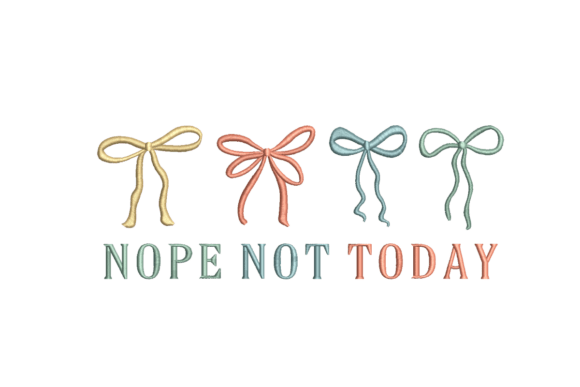
The immediate impression of the Coquette Nope Not Today Embroidery file is one of playful defiance wrapped in a bow-tie aesthetic. The term "coquette" suggests a specific trend-focused style—think soft pinks, delicate florals, ribbons, and a touch of romantic nostalgia. However, the phrase "Nope Not Today" adds a layer of modern humor and relatability that resonates strongly with today’s consumer. It is not merely decorative; it communicates a feeling. This emotional connection is crucial for seasonal embroidery products, where buyers are often looking for items that express their current mood or personality.
Visually, the design feels lively and creative, exactly as described in its product summary. It avoids being overly heavy or dense, which makes it versatile for a wide range of applications. Whether you are aiming for a cozy, rustic feel or a more modern, chic look, this design adapts well. For holiday shoppers, the combination of cute typography and decorative elements creates a sense of warmth and approachability. It works beautifully for personalized gift scenarios, such as customizing sweatshirts for family gatherings or creating unique kitchen towel embroidery sets for housewarming presents.
Practical Applications for Holiday Product Creators
When building a shop collection, versatility is key. I tested this embroidery file on several common substrates to see how it translates from digital screen to physical object. Here is how it performed across different product categories:
- Sweatshirt Embroidery: On high-quality cotton blends, the design pops with clarity. The text remains legible while the decorative elements add texture. This is ideal for limited-edition apparel drops during the fall and winter seasons.
- Tote Bag Design: Canvas totes are a staple for craft fairs and holiday markets. The design fits perfectly within standard hoop sizes, making it easy to produce in bulk. It adds a touch of personality to everyday carry items.
- Kitchen Towel Embroidery: Linen or cotton tea towels provide a smooth surface that highlights the thread colors effectively. This is a great entry-level product for new Etsy sellers looking to offer affordable handmade gifts.
- Pillow Cover & Home Decor: Using this on larger items like throw pillows allows the design to serve as a focal point. It brings a festive yet relaxed energy to living spaces, perfect for guests during the holidays.
- Embroidered Patch: The compact nature of many coquette designs makes them excellent candidates for patches. These can be ironed or sewn onto denim jackets, beanies, or baby onesies, expanding your product range significantly.
For small shop product creators, the ability to use this single digital embroidery file across multiple product types maximizes your return on investment. You can create matching sets—for example, a set of kitchen towels paired with a matching apron or tote bag—which increases average order value and enhances brand consistency.
Technical Considerations and Potential Pitfalls
While the design is charming, no machine embroidery design is without its challenges. As a professional, I must advise caution in specific scenarios to ensure your finished product meets customer expectations.
First, consider the hoop size. If you are attempting to place this design on smaller items, ensure that the dimensions do not exceed your machine’s capabilities. Cropping too aggressively can ruin the balance of the text and graphics. Second, pay close attention to stitch density. While the design appears light, some areas may have concentrated stitches. If you are using thick terry cloth towels or plush fabrics, the needle may struggle to penetrate, leading to puckering or skipped stitches. Always test on a scrap piece of your actual fabric first.
Fabric choice is also critical. Dark fabrics can sometimes obscure lighter thread colors, so choose high-contrast combinations. Conversely, metallic threads might add a premium feel but can be difficult to thread and may break more frequently. If you are embroidering on stretchy garments like jersey knits, a cut-away stabilizer is essential to prevent distortion. Additionally, be mindful of curved surfaces like baseball caps; flat embroidery machines handle these better than multi-head home machines.
Washability and Durability
For items that will see frequent use, such as sweatshirt embroidery or kitchen linens, durability is paramount. Ensure that the underlay stitches are sufficient to hold the top stitching in place. Poor stabilization can lead to washing issues, where the design distorts or fades quickly. Providing care instructions to your customers is also a best practice for maintaining product quality.
Impact on Seasonal Appeal and Buyer Emotion
In the crowded marketplace of holiday shopping, visual recognition is everything. The Coquette Nope Not Today Embroidery design leverages current trends while offering a humorous twist that stands out. Buyers are drawn to products that make them smile or feel understood. This design taps into the "self-care" and "boundaries" narratives that are popular among younger demographics, making it highly shareable on social media platforms like Pinterest and Instagram.
When you create realistic mockups featuring this design, you are not just selling an embroidered item; you are selling a lifestyle. A photo of someone wearing a hoodie with this design in a cozy, coffee-shop setting evokes feelings of comfort and community. Similarly, a flat-lay of kitchen towels with the design surrounded by holiday decor suggests warmth and hospitality. These emotional cues drive engagement and trust, encouraging buyers to complete their purchase.
Designer Notes for Success
To get the most out of this commercial embroidery asset, follow these practical steps:
- Test Thread Colors: Experiment with both light and dark fabrics to find the highest contrast. Pastels work well for a soft look, while bold blacks or navys can make the design pop.
- Check Stitch Density: Zoom in on the digital preview to identify any areas that might be too dense or sparse. Adjust settings if necessary.
- Use Proper Stabilizer: Match your stabilizer to your fabric weight. Lightweight tear-away for woven shirts, cut-away for knits and towels.
- Create Realistic Mockups: Use high-quality images to showcase the design in context. This helps customers visualize the final product.
- Review Small Details: After stitching, inspect the fine details. Are the letters crisp? Are the decorative elements aligned?
- Confirm Licensing: Before listing any finished products for sale, verify the commercial license terms associated with the embroidery file. Most reputable sellers provide clear guidelines on how many units you can produce.
In conclusion, the Coquette Nope Not Today Embroidery design is a strong contender for any seasonal collection. Its blend of trendy aesthetics, humor, and versatility makes it suitable for a wide array of products, from pillow covers to tote bags. By paying attention to technical details and marketing the emotional benefits, you can create successful, profitable products that resonate with holiday shoppers and everyday customers alike.