Beautiful Owl Embroidery Design Review
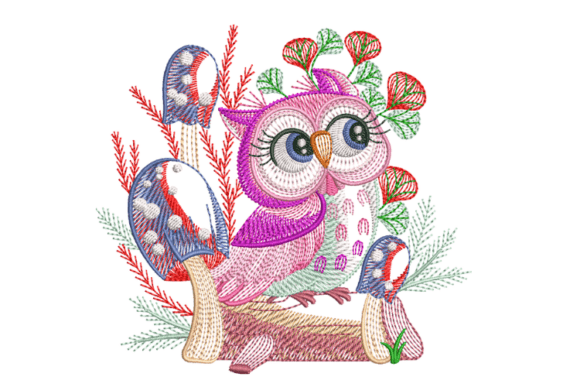
Setting up a booth for a weekend craft fair is an exercise in visual strategy. As an embroidery designer, I know that the first three seconds of eye contact determine whether a customer stops at your table or keeps walking. This week, I am reviewing the Beautiful Owl Embroidery Design with one specific goal in mind: will this piece drive sales for handmade products? The description promises "elegance and woodland charm," featuring a graceful shape, intricate feather detailing, and expressive eyes. These are compelling traits, but in the world of commercial production, charm must be paired with clarity. Below is my professional assessment of how this design performs as a craft fair product and what you need to consider before turning it into inventory.
First Impressions: Woodland Elegance Meets Market Appeal
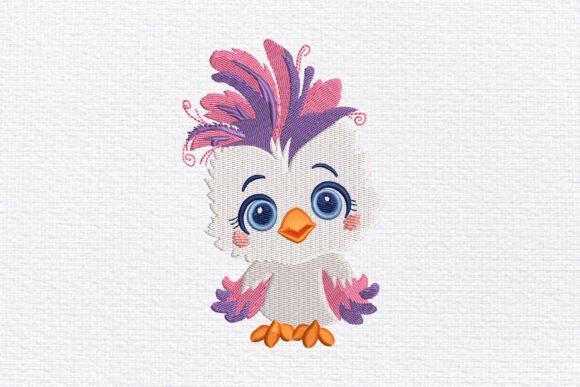
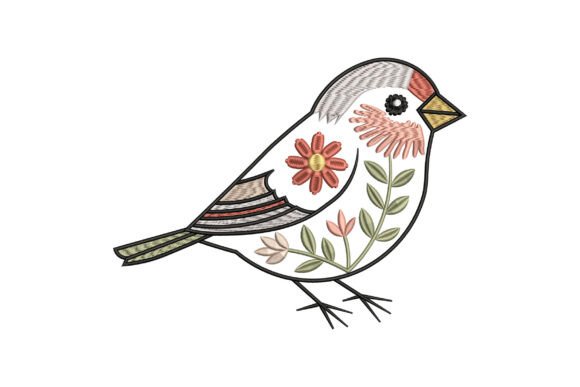
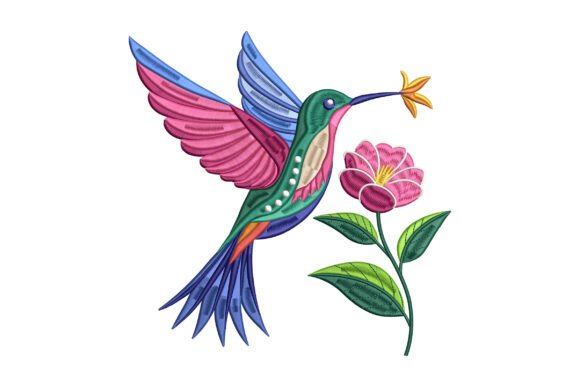
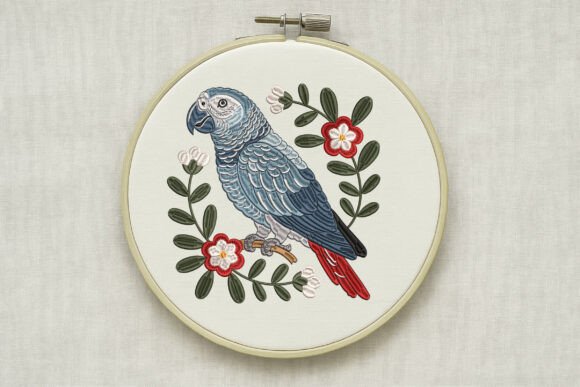
The moment you view the digital preview of the Beautiful Owl Embroidery Design, the mood is established. It does not scream for attention with neon colors or cartoonish exaggeration; instead, it whispers sophistication. The "graceful shape" mentioned in the description suggests a silhouette that works well on structured items like tote bags and aprons, where clean lines matter. The promise of "intricate feather detailing" is particularly interesting for boutique makers. In a physical setting, texture creates perceived value. If those feathers render well in thread, the product feels premium rather than mass-produced.
However, we must balance elegance with legibility. For an Etsy seller or a market vendor, the design needs to read instantly. An owl is a classic motif, often associated with wisdom, nature, and rustic aesthetics. This places the design firmly in the farmhouse, modern rustic, or elegant categories. It avoids being too cute for adult buyers while remaining charming enough for children’s gifts. This versatility is a strong selling point for a small shop product looking to appeal to a broad demographic.
Product Application: Where Does It Shine?
Not every embroidery file works equally well on every item. Based on the characteristics of the Beautiful Owl Embroidery Design, here is how I recommend deploying it across your product line:
- Tote Bag Design Opportunities: A tote bag is the quintessential craft fair product. Placing the owl on the front center or subtly on the side pocket allows the "graceful shape" to take center stage. Because tote bags are large canvases, even smaller designs can look substantial. Ensure the placement aligns with the natural hang of the bag so the bird appears upright and proud.
- Apron Embroidery & Tea Towel Embroidery: Kitchen linens are high-volume sellers. The woodland theme fits perfectly in a cozy kitchen setting. For an apron, position the design below the chest area to avoid distortion from movement. On tea towels, the intricate feather details will catch the light, adding a touch of luxury to everyday items. These are excellent impulse buys for customers browsing your booth.
- Embroidered Patch & Cap Applications: If the design scales down well, it can serve as a standout element on baseball caps or beanies. However, be cautious with size. If the "expressive eyes" become too small, they may lose their character. A patch application allows you to pre-embroider the design and sew it onto various goods, offering flexibility if you run out of stock on specific items.
- Pillow Covers & Pouches: For home decor, the owl adds a focal point without overwhelming the room. On fabric pouches, it serves as a delightful accent. These items feel giftable and personal, which increases their perceived value.
Production Practicality: What Sellers Need to Know
As a designer, I judge a file by its producibility. Here are the critical factors to evaluate before you start stitching batches for your next market day.
Clarity and Detail at Scale
The description highlights "intricate feather detailing." While this sounds beautiful, intricate details can sometimes suffer when stitched at very small sizes. If you plan to sell these as keychains or tiny pouches, test the design at the smallest intended dimension. Fine lines may merge together, creating a muddy blob rather than distinct feathers. Conversely, if the design is meant to be a large focal point, ensure the stitch density supports the weight of the threads without puckering the fabric.
Fabric Texture and Contrast
Embroidery interacts dynamically with fabric texture. On a smooth cotton canvas, the owl will look crisp and polished. On a rough linen or a highly textured towel, some of the finer feather details might get lost. To combat this, choose thread colors that contrast sharply with your base fabric. A dark navy owl on a white background will pop more than a beige owl on cream. Always check thread contrast before committing to bulk production.
Hoop Size and Stabilizer Selection
You must confirm the hoop size required for this Beautiful Owl Embroidery Design. If the design is large, you may need a multi-hooping sequence, which increases production time. For curved surfaces like caps, use a dedicated cap hoop and a firm stabilizer to prevent the fabric from shifting. For flat items like aprons, a cut-away stabilizer is often best to maintain the integrity of the "graceful shape" over time.
Visual Appeal and Brand Consistency
In a crowded market, consistency builds trust. The Beautiful Owl Embroidery Design offers a cohesive aesthetic that can anchor your brand identity. If your shop focuses on nature-inspired, handcrafted goods, this design reinforces that narrative. The "woodland charm" creates an emotional connection with buyers who appreciate organic themes.
Furthermore, this design photographs exceptionally well. The interplay of light on the feather textures creates depth in images, which is crucial for printable mockup creation and online listings. High-quality photos translate directly to higher conversion rates for an Etsy seller. When customers see the detail in person—or in a sharp image—they perceive higher quality, justifying a premium price point.
Essential Pre-Production Checklist
Before you print tags and pack your booth, follow these steps to ensure success:
- Test on Scrap Fabric: Never assume a design looks good on screen. Stitch it out on the exact fabric you intend to sell. Check how the material reacts to the stitches.
- Inspect Stitch Density: Look for gaps or excessive thread buildup. Adjust thread tension if necessary to achieve a smooth finish.
- Create Real Mockups: Produce at least one finished sample of each product type (tote, apron, etc.). See how the design sits in relation to seams and edges.
- Confirm Commercial Licensing: Verify that you have the right to sell finished products made with this digital embroidery file. This is non-negotiable for any serious business.
- Review Spacing: Ensure there is enough margin around the design so it doesn’t look cramped on smaller items like pouches.
Final Verdict
The Beautiful Owl Embroidery Design holds significant potential for craft fair sellers and boutique makers. Its blend of elegance and rustic charm makes it versatile across a range of handmade products. From tote bag design applications to subtle accents on kitchen linens, it offers a sophisticated touch that customers appreciate. By carefully managing stitch density, fabric choice, and production testing, you can turn this design into a standout commercial embroidery asset. It is not just a file; it is a tool for building a brand that values quality, nature, and timeless style.